Selecting a mechanic for your vehicle is a critical decision that can significantly impact both the performance of your car and your overall experience as a car owner. The quality of automotive service varies widely from shop to shop, making it essential to ask the right questions before entrusting your vehicle to a local mechanic. Here are some key considerations to help you make an informed choice.
Understanding Your Needs
Before you even step into a mechanic's shop, it's important to clarify what kind of service you need. Are you looking for routine maintenance, like oil changes and tire rotations? Or do you have specific concerns such as transmission issues or brake repairs? Knowing exactly what services you require will allow you to narrow down your options effectively.
What Type of Repairs Do You Specialize In?
Mechanics often specialize in certain areas, such as transmission repair, clutch replacement, or electrical systems. If you're experiencing transmission problems—like slipping gears or delayed engagement—it's wise to look for a shop that focuses on transmission diagnostics and repairs. For instance, if you live in Whitehouse, TX, seeking out a local transmission specialist may yield better results than a generalist mechanic.
Are You ASE Certified?
The National Institute for Automotive Service Excellence (ASE) certification is an indicator that the mechanic has undergone rigorous testing and possesses extensive knowledge about vehicle repair. Asking whether the mechanics at the shop are ASE certified can provide peace of mind regarding their expertise. Certification does not guarantee perfection but suggests that they adhere to industry standards.
Evaluating Experience and Reputation
A mechanic's experience can greatly influence the quality of service provided. An established shop with years of experience often has a proven track record of solving various automotive issues.
How Long Have You Been in Business?
Longevity in the business is typically a good sign. A shop that has been around for several years likely has built relationships within the community and earned customer trust over time. Ask about their history and how they have adapted to changes within the automotive industry.
Can You Provide References or Reviews?
Word-of-mouth recommendations are invaluable when choosing a mechanic. Don’t hesitate to ask for references or check online reviews on platforms like Google or Yelp. Positive feedback from previous customers can serve as an endorsement of their skills and professionalism.
Assessing Services Offered
Understanding the range of services offered by a mechanic will help ensure they can meet your specific needs without needing to send you elsewhere.
What Services Do You Provide?
Some shops offer comprehensive services including automatic transmission repair, manual transmission rebuilds, fluid changes, and emergency repairs. If your vehicle requires specialized services like CVT transmission repair or torque converter repairs, be sure that the mechanic has experience handling those issues specifically.
Extra resourcesDo You Offer Warranties on Repairs?
A warranty adds an extra layer of security when having repairs done on your vehicle. Ask potential mechanics what warranties they offer on parts and labor. A reliable shop should stand behind its work and offer reasonable guarantees.
Transparency in Pricing
Understanding how pricing works is crucial in avoiding unexpected costs down the line.
Do You Provide Written Estimates Before Work Begins?
Reputable mechanics will provide written estimates detailing labor costs and parts prices before starting any work on your vehicle. This transparency helps avoid surprise charges once repairs are completed.
Are There Any Additional Fees I Should Be Aware Of?
Some shops have additional fees such as diagnostic fees or charges for specific services like fluid flushes or inspections. Clarifying all potential costs upfront will help manage expectations and budget accordingly.
Communication Style
Effective communication is vital in any service relationship. A good mechanic should be willing to explain issues clearly without overwhelming jargon while also being open to answering questions you might have throughout the process.
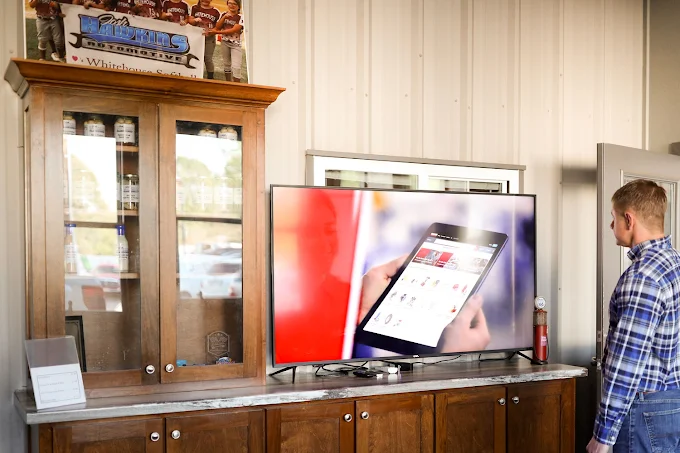
How Will You Communicate Updates During Repairs?
Ask how they plan to keep you updated during the repair process. Some shops may opt for phone calls, while others prefer text messages or emails. Knowing this ahead of time ensures you're not left in the dark about your vehicle’s status during repairs.
Can You Explain What Needs To Be Done In Layman's Terms?
A Transmission fluid change Whitehouse TX skilled mechanic should be able to break down complex technical jargon into understandable terms so that you're aware of what needs fixing and why it matters for your vehicle’s safety and performance.
Evaluating Facility Quality
The environment where repairs take place can say much about a mechanic's professionalism.
Is The Shop Clean And Well-Organized?
Take note of the cleanliness and organization within the shop during your visit. A tidy workspace often indicates pride in workmanship; it reflects how seriously they take their business operations overall.
Are Modern Tools And Equipment Utilized?
Inquire if the shop uses modern tools and technologies necessary for diagnosing current automotive issues effectively. Outdated equipment could impede proper diagnostics which may lead to unresolved problems down the road—especially with advanced systems found in newer vehicles today.
Final Thoughts
Finding an excellent local mechanic requires careful consideration of multiple factors ranging from expertise level to customer service practices along with transparent pricing structures—all while ensuring they specialize in areas relevant specifically towards any concerns regarding transmissions or other components unique towards particular vehicles alike yours! Ultimately asking these essential questions empowers consumers like yourself by leading towards informed decisions based upon solid information gathered through meaningful conversations rather than mere assumptions made solely based off appearances alone at first glance!
By taking these steps before committing to any one auto repair facility—from those who handle emergency situations promptly (like same-day transmission repair) down through routine maintenance tasks (such as periodic fluid changes)—you'll build trust over time leading towards long-term relationships benefiting both parties involved throughout ownership experiences enjoyed together!